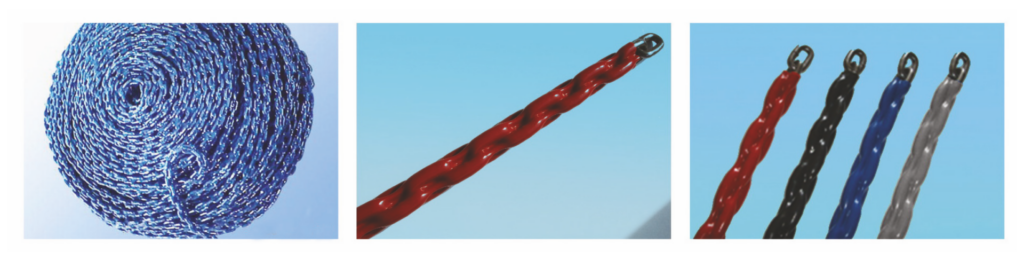
Compensation Chains & Cables
A compensation cable (or compensating cable/chain) is an important component used in traction elevators, especially in medium- to high-rise buildings.
What is a Compensation Cable?
A compensation cable is a flexible cable (or sometimes a chain) installed between the elevator car and the counterweight, usually routed through the bottom of the shaft (pit).
Why it is needed
In an elevator system, the weight of the hoist ropes changes continuously as the elevator moves:
* When the car is at the top, more rope weight is on the counterweight side
* When the car is at the bottom, more rope weight is on the car side
This creates an imbalance in the system.
The compensation cable solves this problem by balancing that changing weight.
Main Functions
1. Balance the system
* Compensates for the varying weight of hoisting ropes
* Maintains near-equal load on both sides of the system
2. Maintain proper tension
* Prevents ropes from becoming too loose or too tight
* Ensures stable traction and smooth operation
3. Improve ride quality
* Reduces vibration and jerks
* Provides smoother and quieter elevator travel
4. Reduce wear & energy load
* Minimizes stress on motor, sheaves, and ropes
* Helps in energy-efficient operation
Where it is used
* Typically used in elevators with travel height above ~30 meters
* Common in:
* High-rise residential buildings
* Commercial towers
* High-speed elevators
Types of Compensation Systems
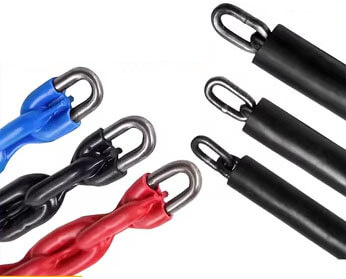
1. Compensation Chain
* Traditional type
* Heavier, sometimes noisier
2. Compensation Cable
* Modern, flexible PVC-coated cable
* Smoother and quieter operation
3. Guided / Pulley-based system
* Used in high-speed elevators for better control